THE CRISIS
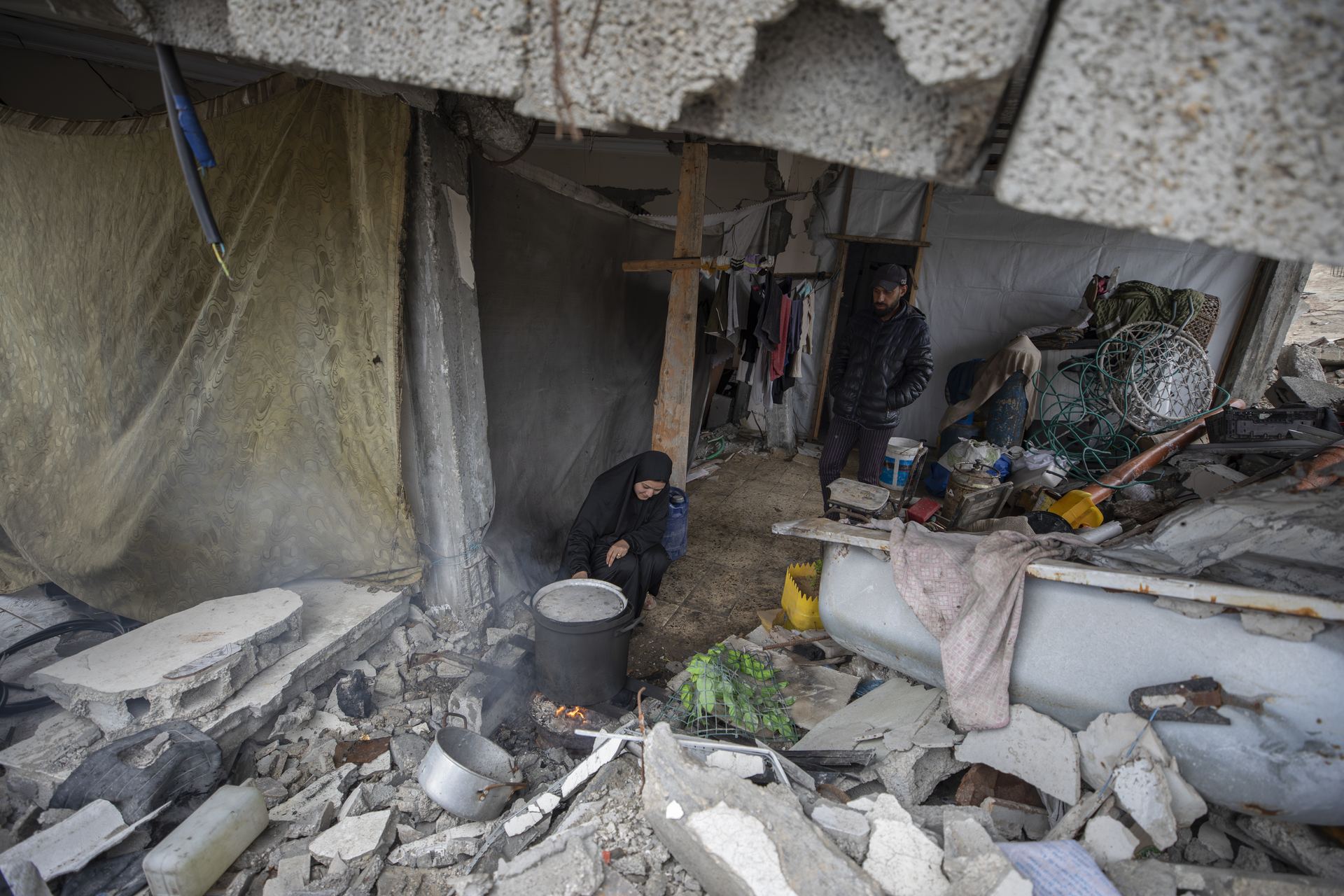
After more than two years of near-constant bombardment and repeated displacement, most homes and residential units in Gaza have been damaged or destroyed.
Emergency shelter remains a critical priority as 94 per cent of the population needs emergency shelter assistance.* But the delivery of meaningful shelter support continues to be constrained by restricted humanitarian access, ongoing airstrikes, and military incursions, despite the ceasefire.
*According to an August 2026 Palestine Shelter Cluster report
SHELTER REMAINS OUT OF REACH
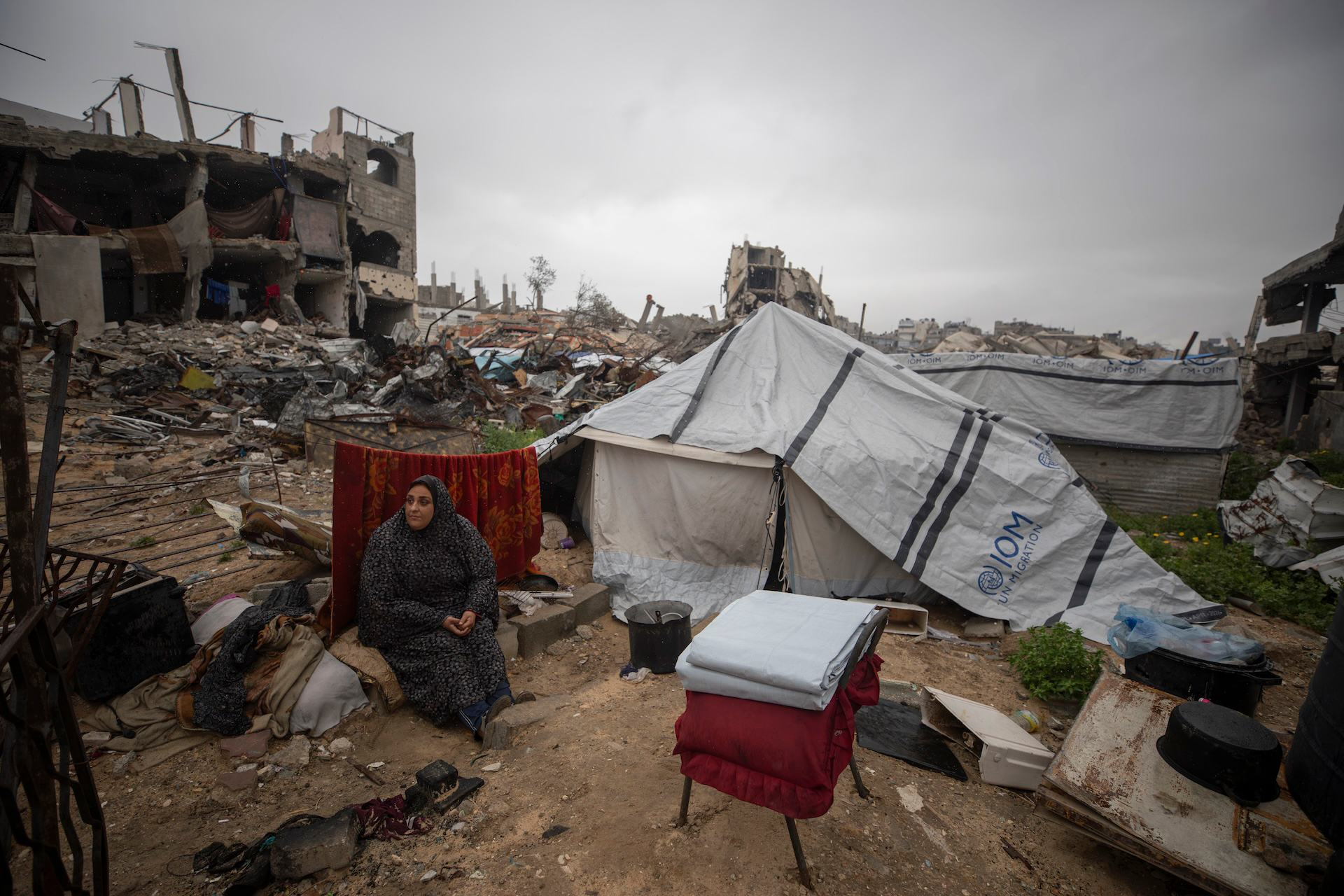
Limited emergency shelter aid has reached Gaza, but the needs remain far greater than the available assistance. Critical materials needed to repair and reinforce shelters, including timber, tarpaulins, tools and other essential supplies, continue to face restrictions and delays. As winter approaches, thousands of families remain exposed to rain, flooding, cold and unsafe living conditions.
WHY TENTS AREN'T ENOUGH
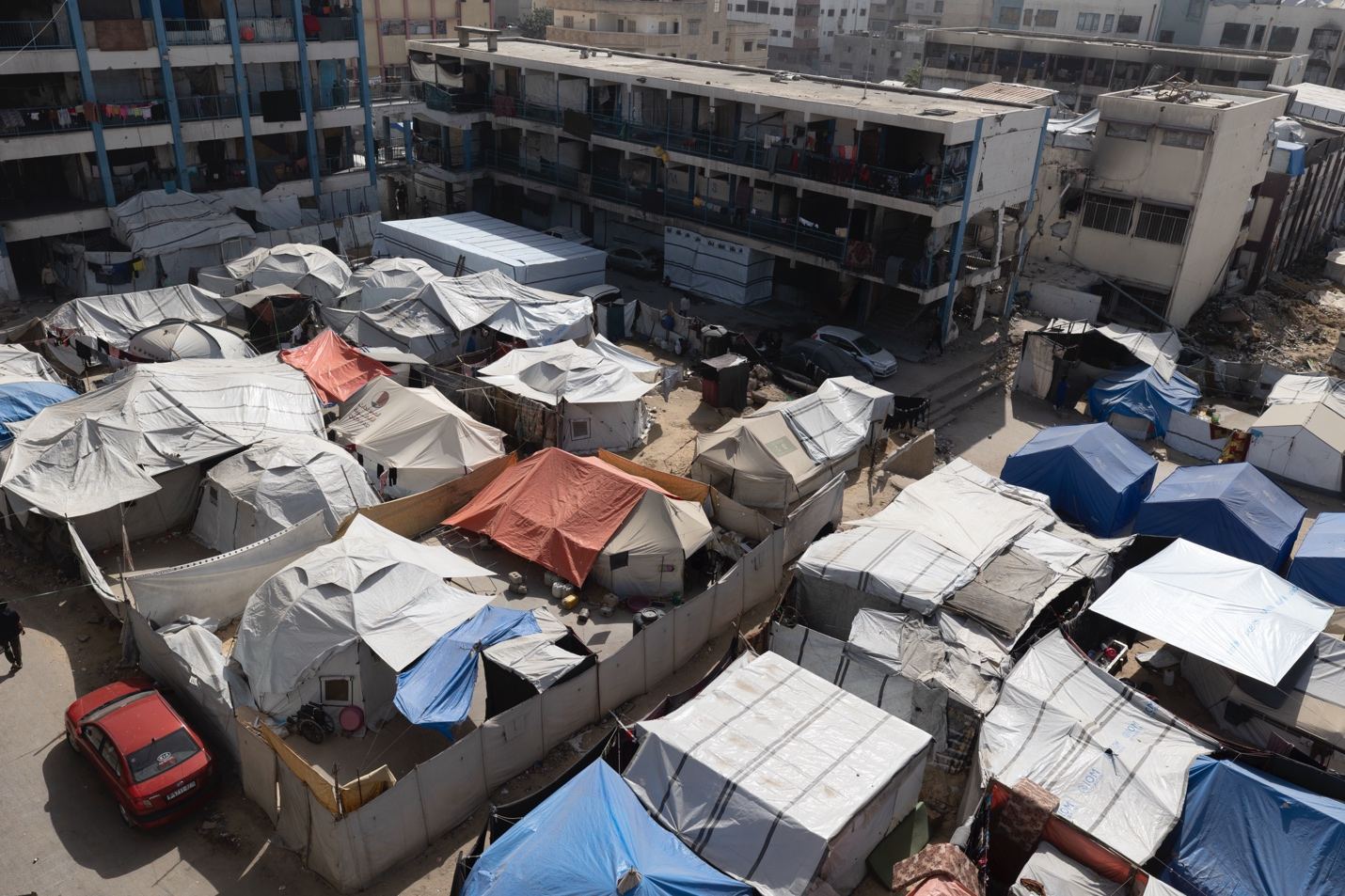
Tents provide vital emergency shelter, but they are not a long-term solution. Under harsh weather, repeated displacement, and ongoing hostilities, tents can deteriorate within 3–6 months, leaving families in need of safer, more durable shelter.
Those without emergency tents are especially vulnerable, as many families are forced to remain in overcrowded schools, makeshift structures, or shelters that offer little protection from the weather.
THE RESPONSE
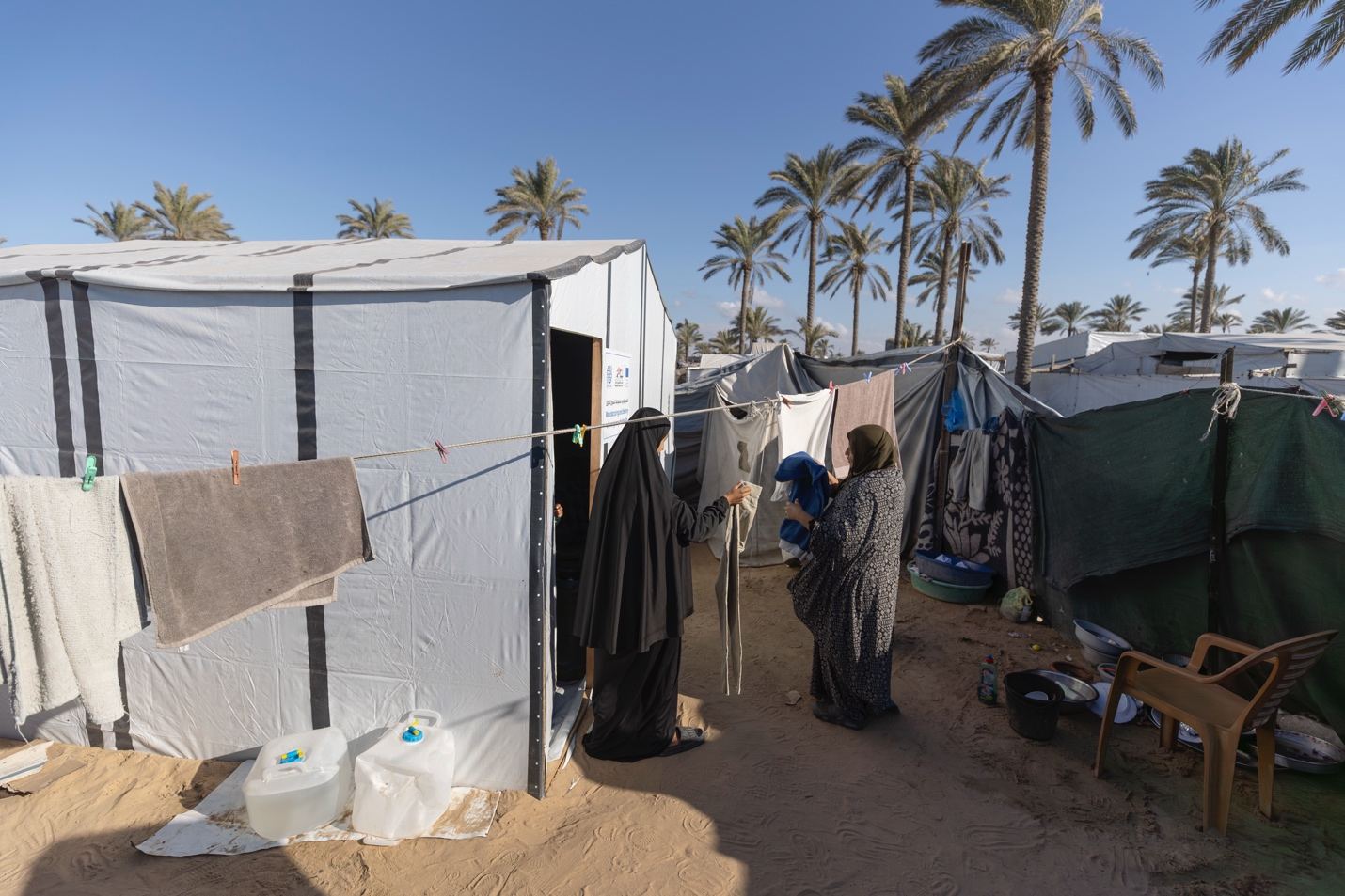
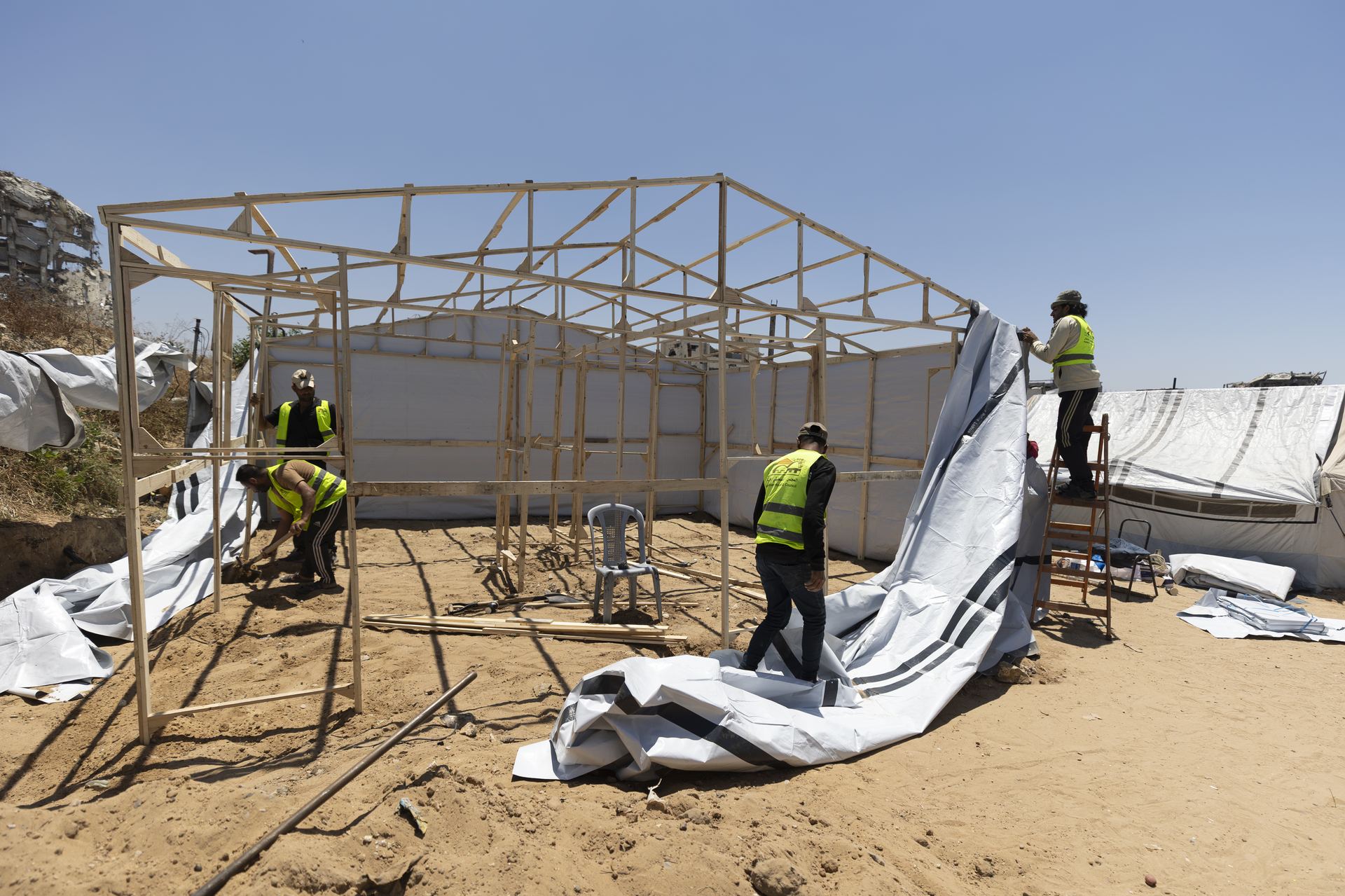
In Gaza, the International Organization for Migration (IOM) and humanitarian partners are supporting families facing prolonged displacement by providing emergency shelters.
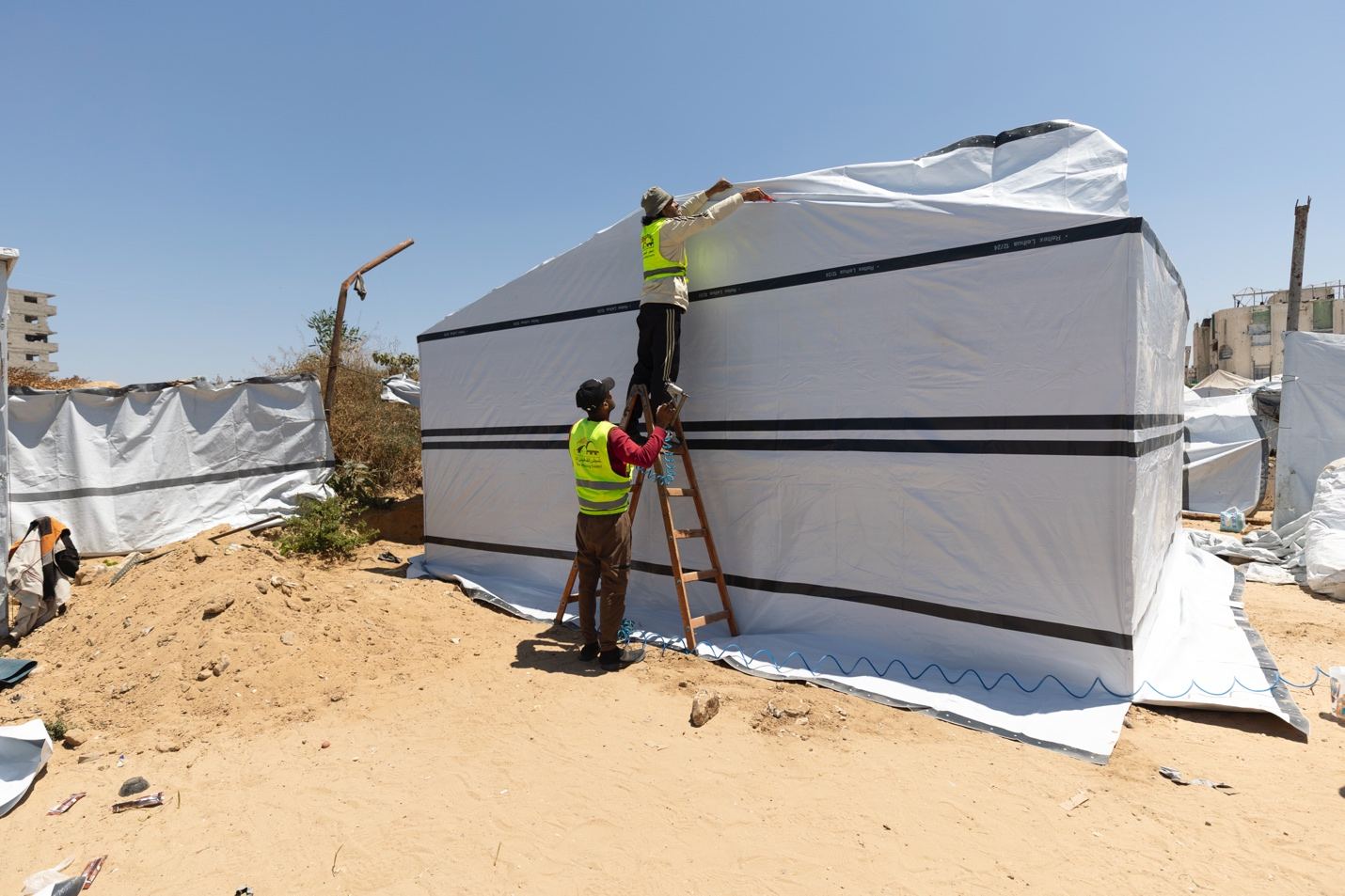
These shelters offer a safer and more durable alternative to basic tents, providing greater protection, stability, and dignity. Families can help design and build shelters that suit their needs, using their own skills and locally available materials whenever possible. This not only gives people more control over their living conditions but also creates work and supports local businesses.
WHAT'S IN A KIT
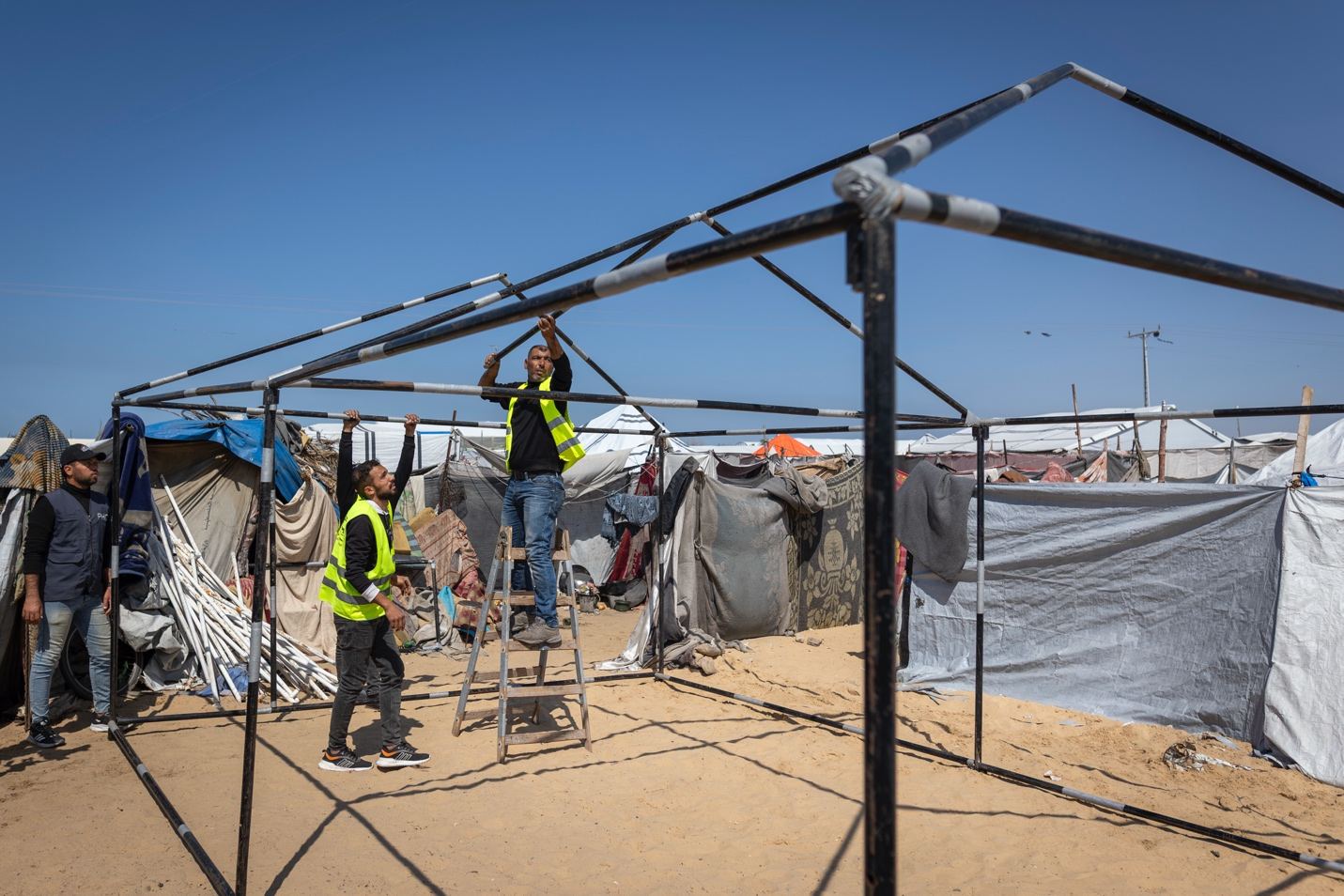
Emergency shelters often come as ready-to-use packages called emergency shelter kits (ESKs). These kits provide displaced families with the materials they need to quickly build safer, temporary shelters.
An emergency shelter kit includes:
- Tarpaulin sheets
- Basic tools, such as nails and hammers
- A frame made from wood or metal
MORE THAN A SHELTER
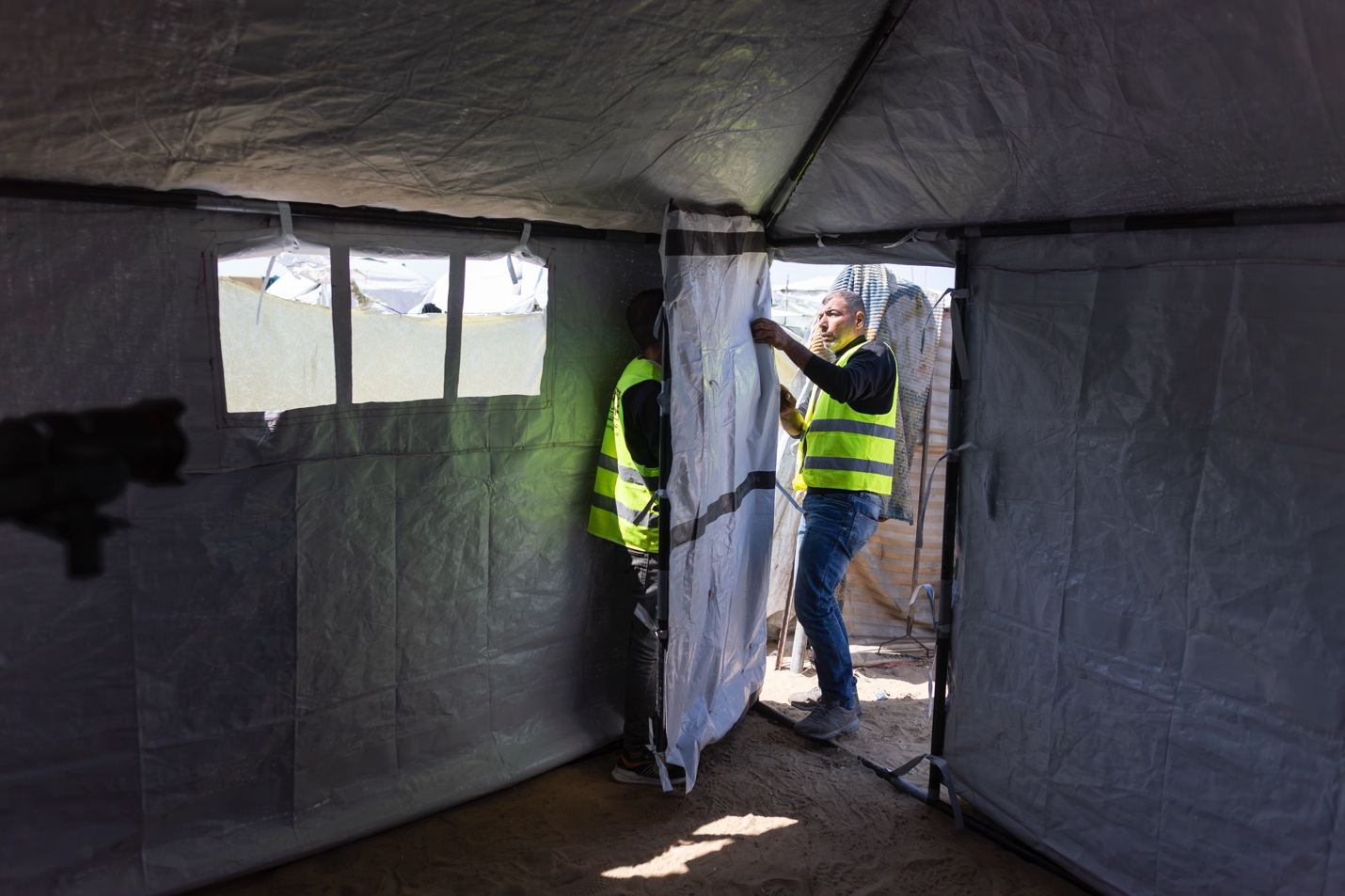
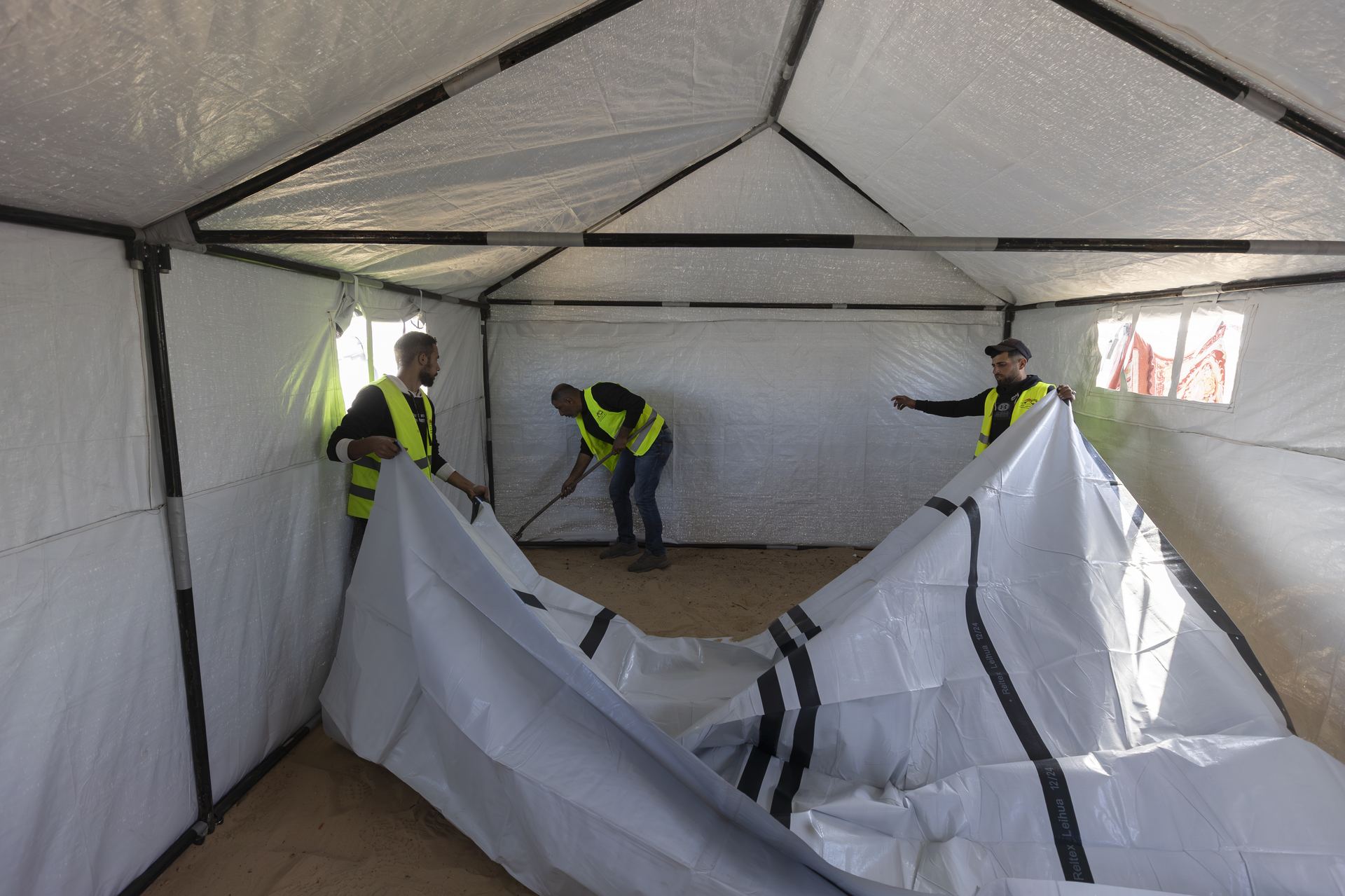
These kits are effective in emergency settings because they are practical and flexible. They are quick to set up and usually require just a small team and a few hours.
The priority is to enable people to build standalone shelters. However, ESK material can also be used for light repairs, sealing minor damage, and reinforcing deteriorating makeshift shelters to improve privacy and protect against harsh weather.
RESILIENCE UNDER RESTRICTION
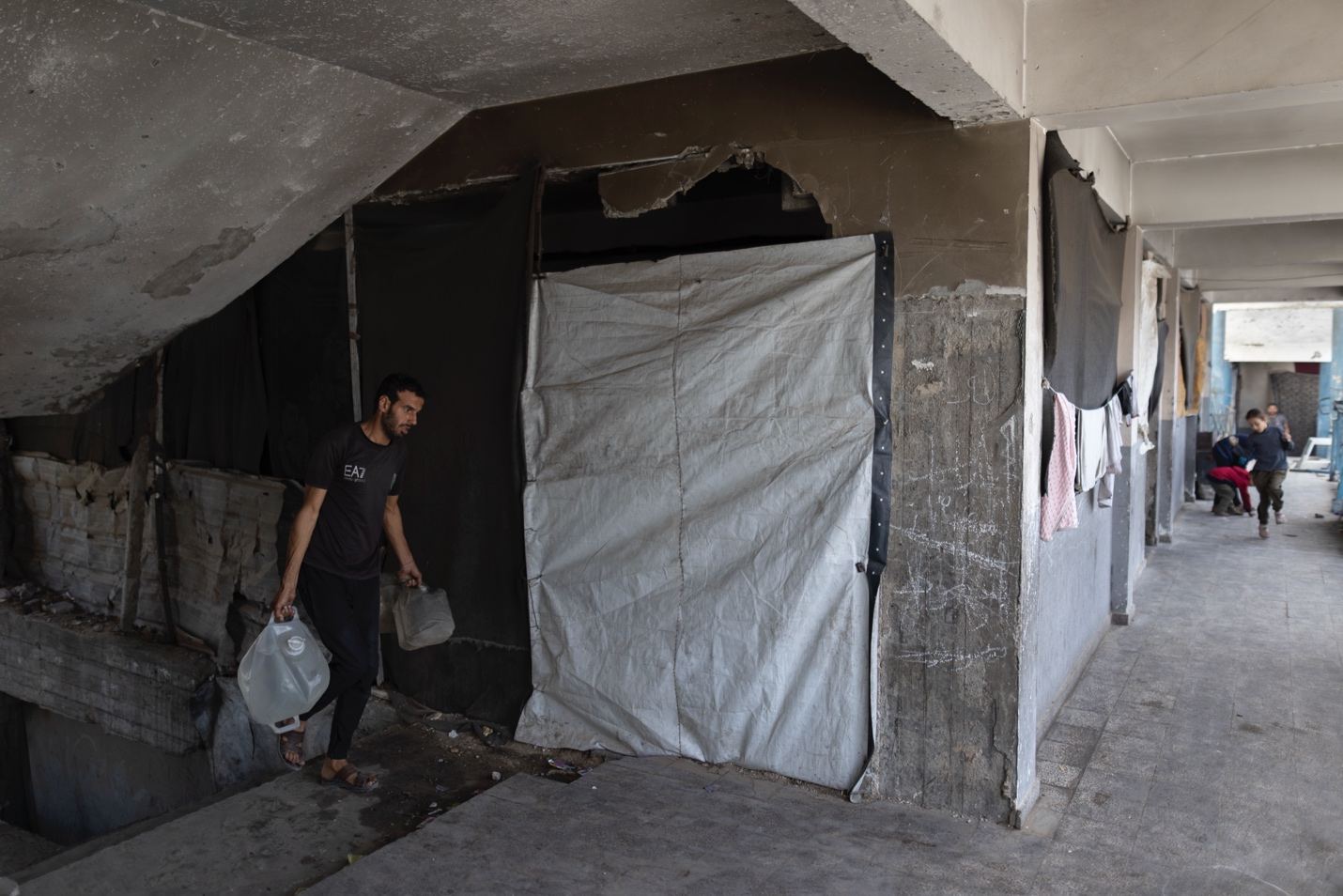
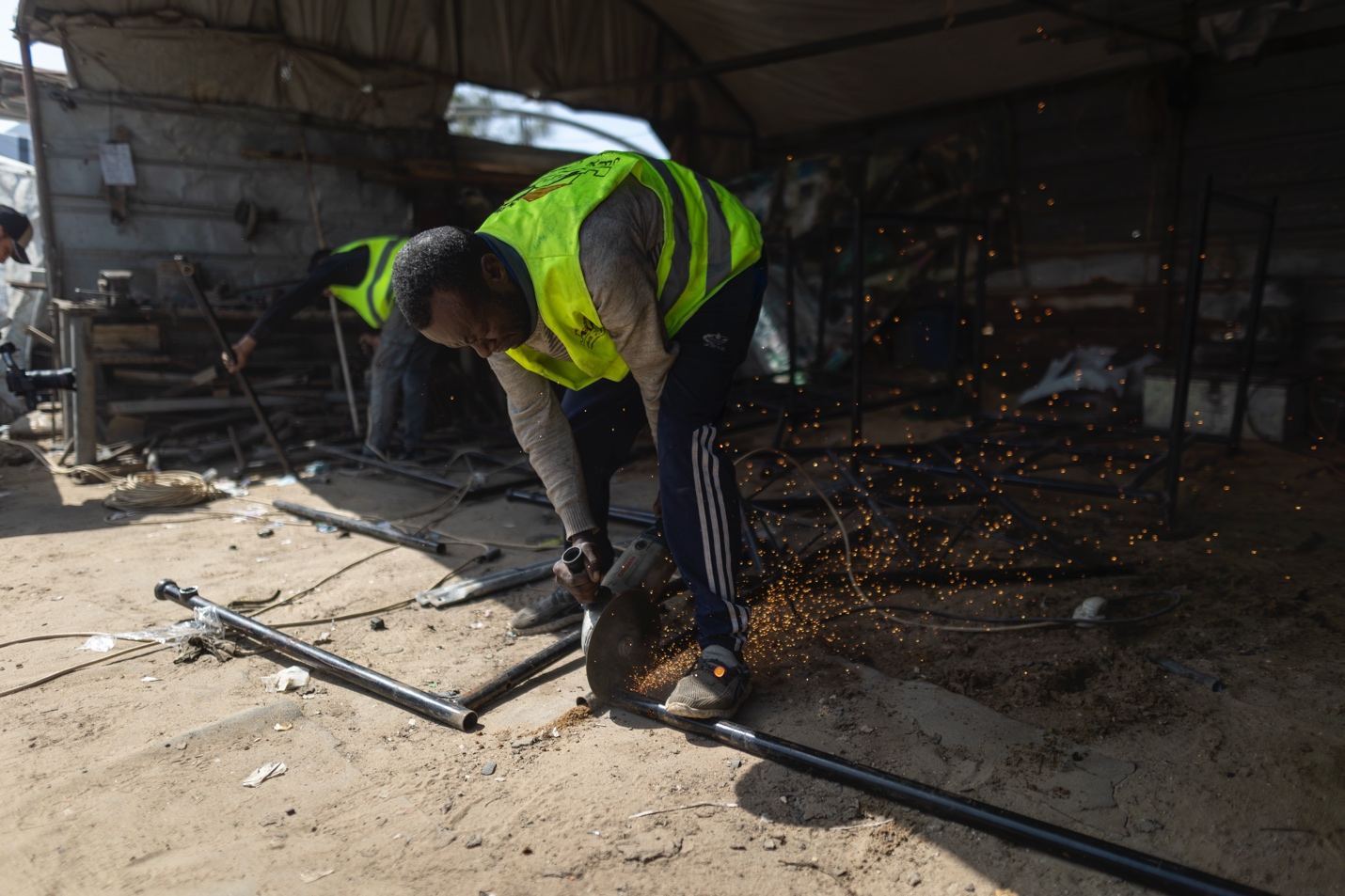
With many shelter materials restricted from entering Gaza, families have adapted by reusing available resources to repair and strengthen their homes and temporary shelters.
Wood, metal, nails, and pallets from humanitarian aid deliveries have become essential materials for reinforcing damaged structures.
This has reshaped how humanitarian shelter support responds to people’s needs.
“Dual-Use” Items
Materials such as wood, metal, and nails are often restricted by the Israeli authorities as “dual-use” items — meaning they are considered capable of being used for both civilian and military purposes.
When available, these materials are often sold at very high prices. Many families and humanitarian actors rely on reusing materials from humanitarian aid pallets to repair and reinforce shelters.
Ideally, complete emergency shelter kits would be delivered through humanitarian channels. However, access restrictions often mean that only tarpaulins can be provided through the IOM Common Pipeline programme, while other materials must be sourced locally or reused inside Gaza.
Enhanced Shelters
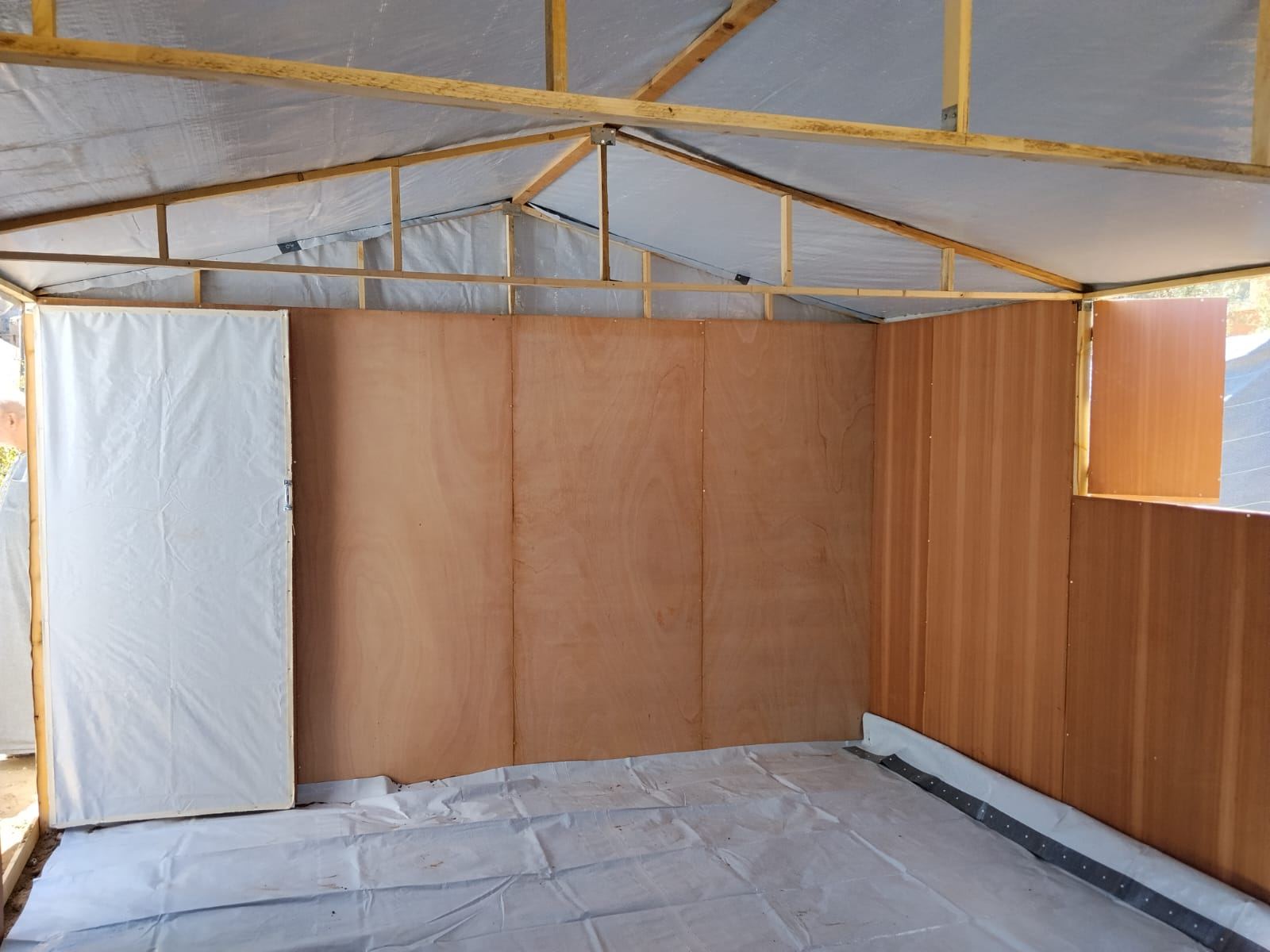
When materials such as plywood are available, IOM and partners can strengthen basic emergency shelters with simple improvements. These enhancements make shelters more durable, better able to withstand harsh weather, and safer for families.
However, plywood remains difficult to access in Gaza as it is also classified as a “dual-use” item, limiting its availability.
SHELTERS DELIVERED
From January - June 2026, nearly 500 emergency shelters have been delivered to vulnerable families in partnership with two local organizations: Beit Lahia Development Association (BLDA) and Palestinian Housing Council (PHC).
REACHING NEW MOTHERS
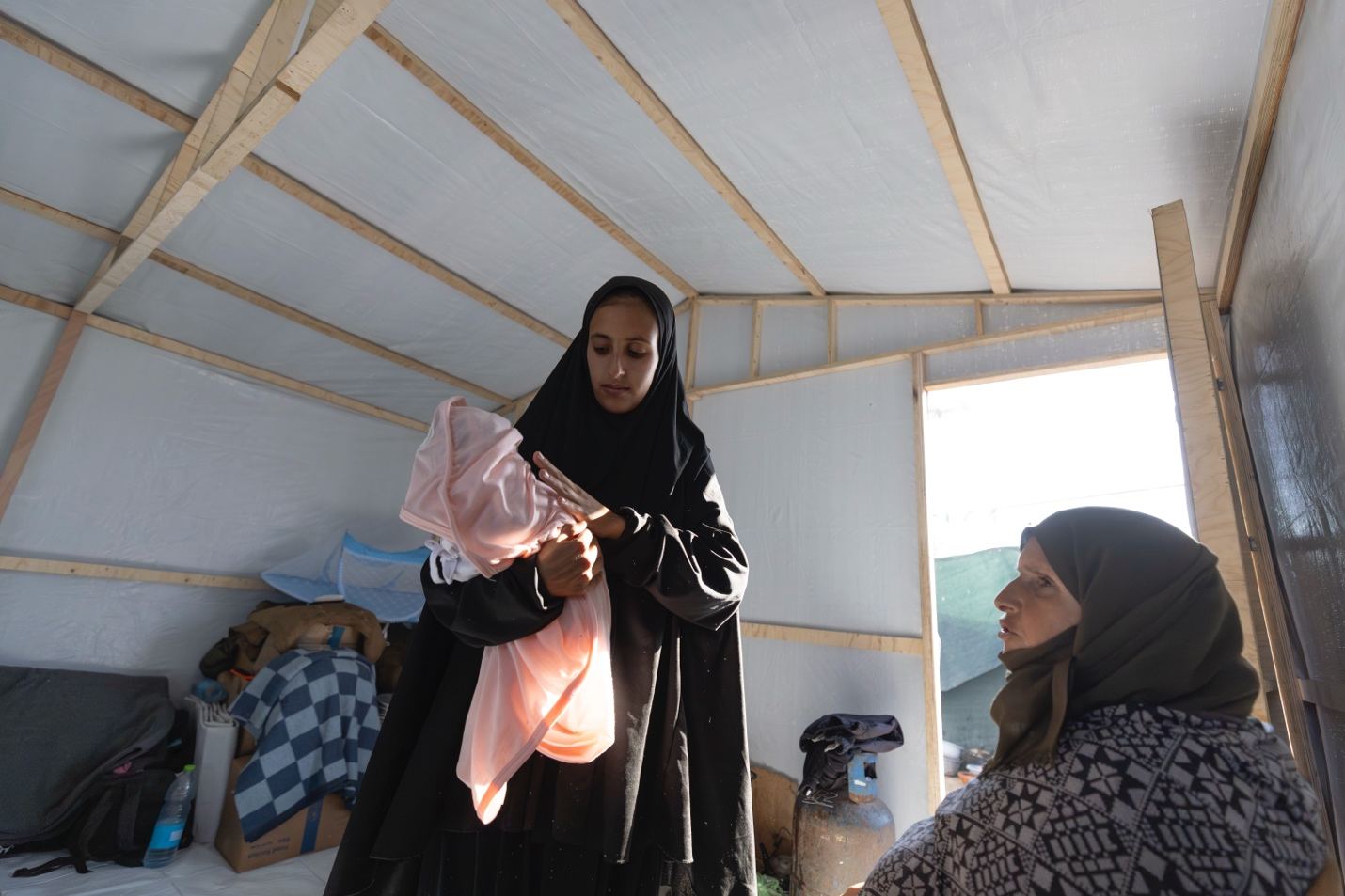
Beit Lahia Development Association especially prioritized pregnant women and new mothers, in coordination with the Protection Cluster, providing 53 families with emergency shelters.
BEYOND EMERGENCY SHELTER
Moving from emergency support towards recovery requires sustained access to essential materials, including construction supplies, tools, and machinery to clear rubble, debris, and waste.
Without these resources, families cannot safely rebuild, repair damaged homes, or improve their living conditions.
IOM continues to call for an end to hostilities, the protection of civilian lives and infrastructure, sustained humanitarian access, and the opportunity for families to begin rebuilding their lives safely and with dignity.
PARTNERSHIP & SUPPORT
IOM co-coordinates the Shelter Cluster in the Occupied Palestinian Territory (OPT), alongside the Norwegian Refugee Council, bringing partners together to support coordinated, effective, and evidence-based shelter assistance. Beit Lahia Development Association and Palestinian Housing Council are among 34 partners working through the Shelter Cluster in the OPT.
IOM’s emergency shelter work in Gaza is supported by the European Union Humanitarian Aid, the Central Emergency Relief Fund, and contributions from private partners and individuals.


International Organization for Migration
UN Migration
Photographs courtesy of Mahmoud Abu Hamda and Beit Lahia Development Association.
Designed by Hamzeh Alsheikh Ali — halsheikh@iom.int